

At first, the question sounds ridiculous.
Of course you cannot smell with your eyes. Smelling happens through the nose and seeing happens through the eyes. They are completely different senses.
Or are they?
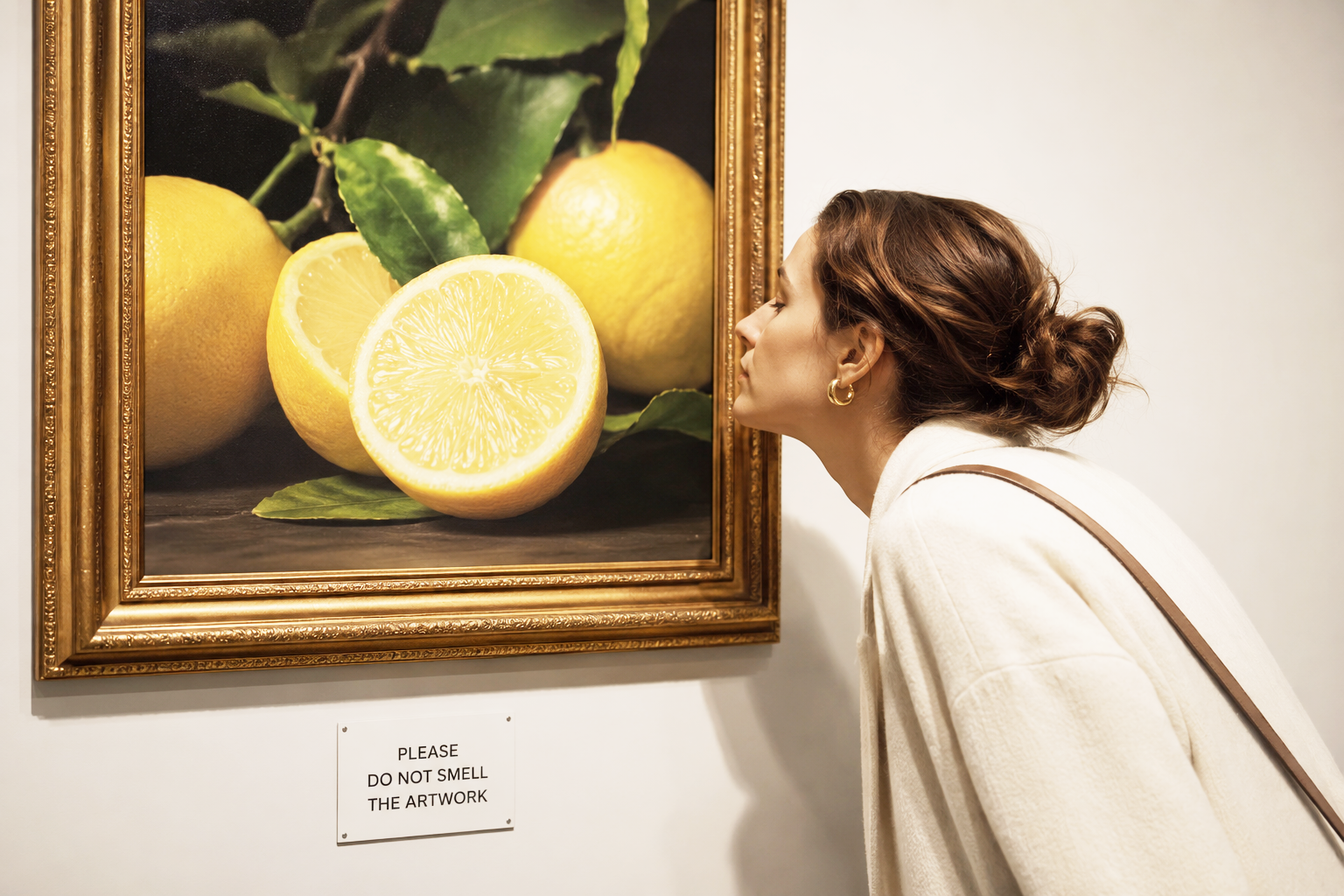
Imagine looking at a photograph of freshly baked bread. You can almost smell it. A picture of a pine forest after rain may bring a familiar scent to mind. An image of a lemon can feel so vivid that some people almost experience its sharp citrus freshness.
Nothing is actually being smelled. Yet something real is happening.
The reason lies in the remarkable way our brains process information. Rather than treating sight, smell, touch and sound as separate experiences, the brain constantly combines them to create a single understanding of the world.
Scientists call this cross-modal perception.
In simple terms, what we see can influence what we expect to smell, touch or hear. Our senses work together far more closely than we often realise.
This idea extends well beyond food and fragrance. It affects the way we experience buildings, interiors and everyday spaces.
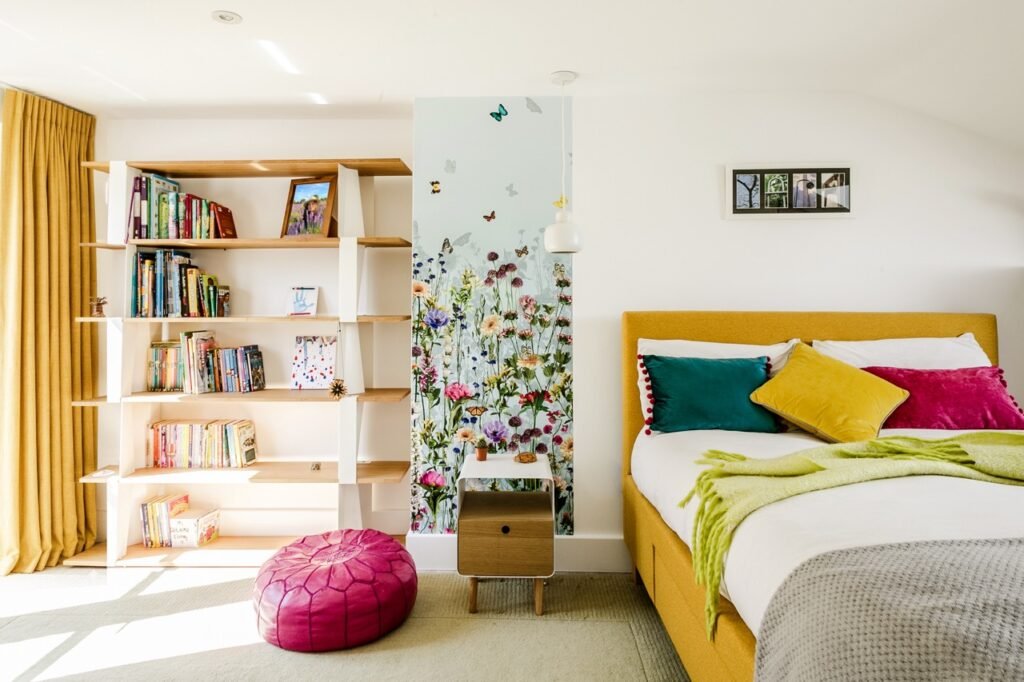
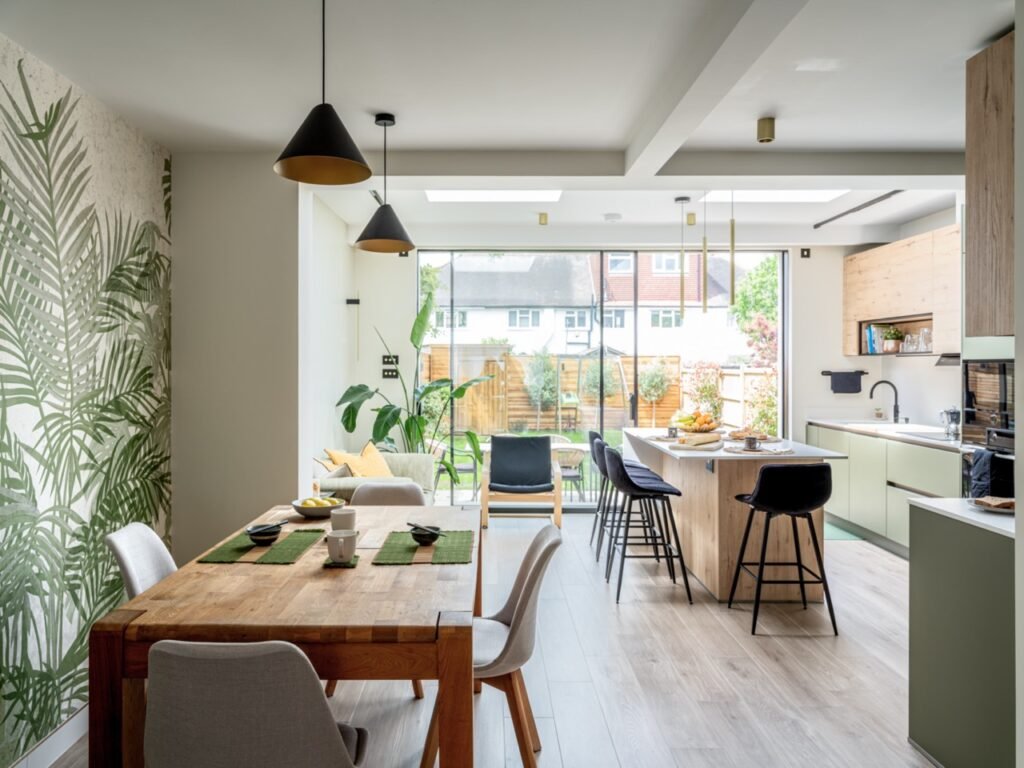
Consider a room lined with natural timber. Before touching a single surface, many people describe the space as warm. Yet timber itself may not actually be warmer than another material. What changes is our perception. Through experience, the brain has learned to associate wood with comfort, nature and warmth.
The same happens with light. A bright room often feels fresher and more welcoming than a dark one, even when the temperature and air quality are exactly the same. Soft textures can make a space feel quieter. Certain colours can seem warm or cool despite having no temperature of their own.
Our senses are constantly influencing one another.
This helps explain why two rooms of the same size can feel completely different. One may feel calm and inviting, while the other feels sterile or uncomfortable. The difference is rarely visual alone. It is the result of countless sensory signals working together to shape our experience.
Materials play a particularly important role. Stone can suggest permanence and solidity. Linen may evoke softness and relaxation. Timber often creates a connection to nature. These responses are not identical for everyone, but many are widely shared because they are built on common experiences and associations.
Good design understands this.
A successful space is not simply something we look at. It is something we experience. We notice the quality of light, the texture of materials, the acoustics of a room and even the atmosphere created by its proportions. Often, we respond emotionally before we understand why.
At Brick & Moss, we are fascinated by these invisible aspects of design. Beyond style and aesthetics lies a deeper question: how does a space make us feel?
The answer is rarely found in one element alone. It emerges from the way all the senses work together to create an experience.
So, can you smell with your eyes?
Not literally.
But what you see can influence what you expect, imagine and feel. The boundaries between the senses are far less rigid than we once believed.
And perhaps that is why the most memorable spaces stay with us long after we have left them. We remember not only what they looked like, but how they made us feel.