

Imagine a child born 50,000 years ago arriving in modern Britain.
Raised by a family today, they would learn language, go to school, use technology and probably fit into society remarkably well. While our world has changed beyond recognition, the human brain has not evolved at the same pace.
This raises an interesting question.
If our brains were shaped in a very different environment, what does that mean for the homes we live in today?
For most of human history, people did not live in houses, towns or cities. They lived outdoors, moving through landscapes, finding shelter, locating water and relying on close social connections. Agriculture appeared only around 12,000 years ago. Permanent settlements came later. Modern cities, artificial lighting and climate-controlled buildings are all very recent developments when viewed against the timescale of human evolution.
In evolutionary terms, we are still carrying ancient instincts into a modern world.
Researchers have found that people across many cultures share surprisingly similar preferences. We tend to enjoy natural light, views, greenery and environments that feel both open and protected. These preferences appear so consistently that many scientists believe they reflect deep-rooted aspects of human psychology.Think about your favourite seat in a café.
It is probably not in the centre of the room. More likely, it is tucked against a wall, overlooking the entrance or positioned beside a window. Without consciously thinking about it, you may have chosen a place that allows you to observe your surroundings while feeling sheltered yourself.
This preference is sometimes described as “prospect and refuge”: the desire to see without being seen too much, to feel connected while remaining protected. It is a pattern that appears repeatedly in architecture, landscape design and even the places people naturally gravitate towards.
Our connection to nature may be another example.
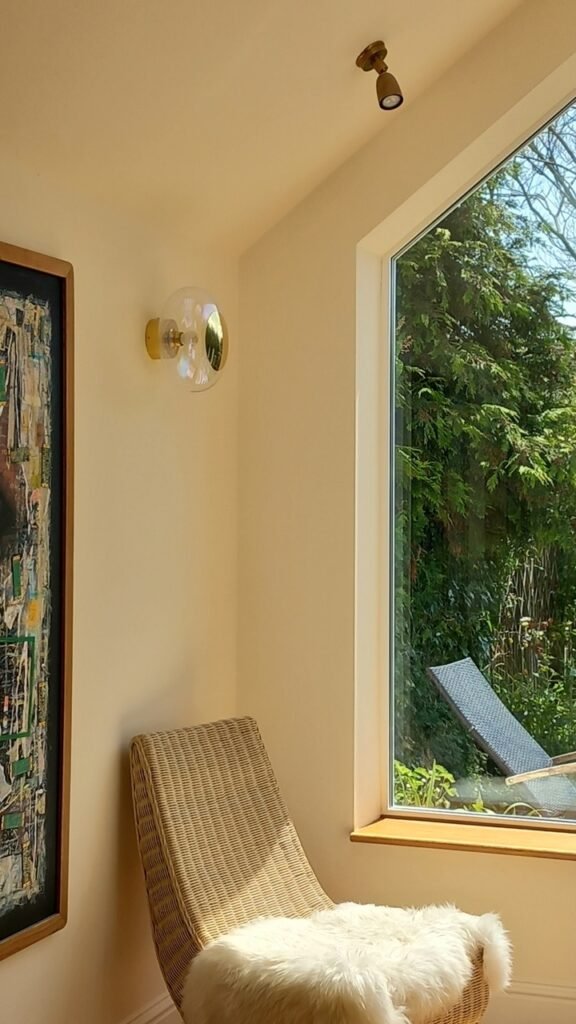
Studies have consistently shown that access to daylight, greenery and natural environments can reduce stress and support wellbeing. Hospital patients recover faster when they can see trees. Office workers report greater satisfaction when they have access to natural light. Even a small glimpse of nature through a window can influence how a space feels.
Perhaps this should not surprise us.
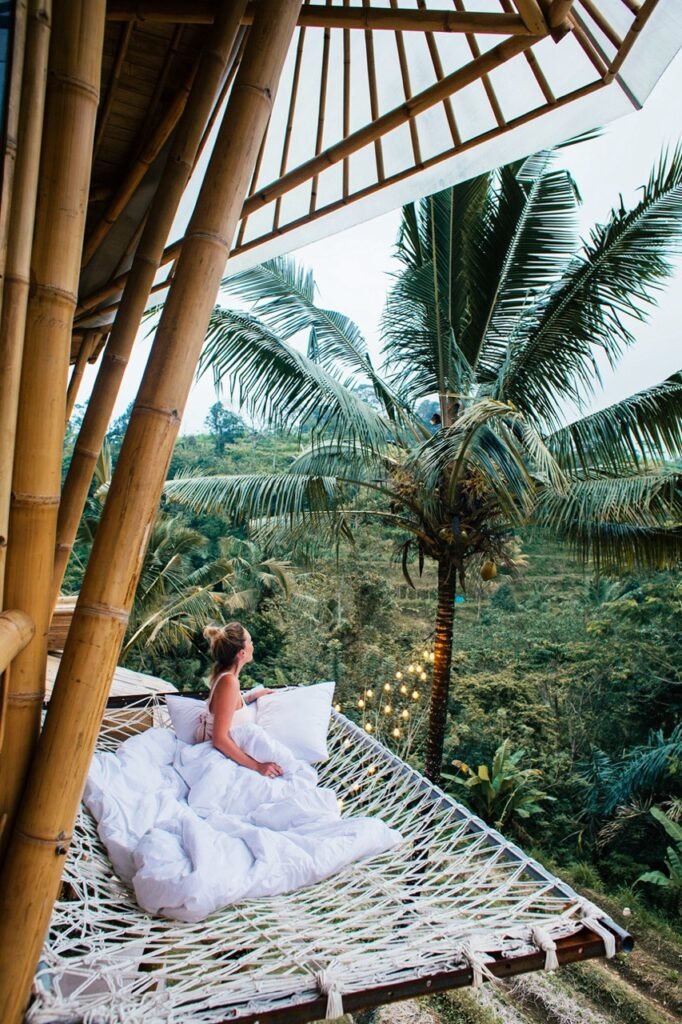
For tens of thousands of years, nature was not somewhere humans escaped to at weekends. It was home. The sounds, colours, textures and rhythms of the natural world formed the backdrop to everyday life for countless generations.
This does not mean that modern homes should imitate caves, forests or ancient settlements. Human beings are adaptable, and good design should respond to contemporary needs and lifestyles. However, it does suggest that our most successful environments often work with our instincts rather than against them.
At Brick & Moss, we are fascinated by the relationship between people and place. Beyond style, trends and square metres lies a deeper question: what makes a space feel right?
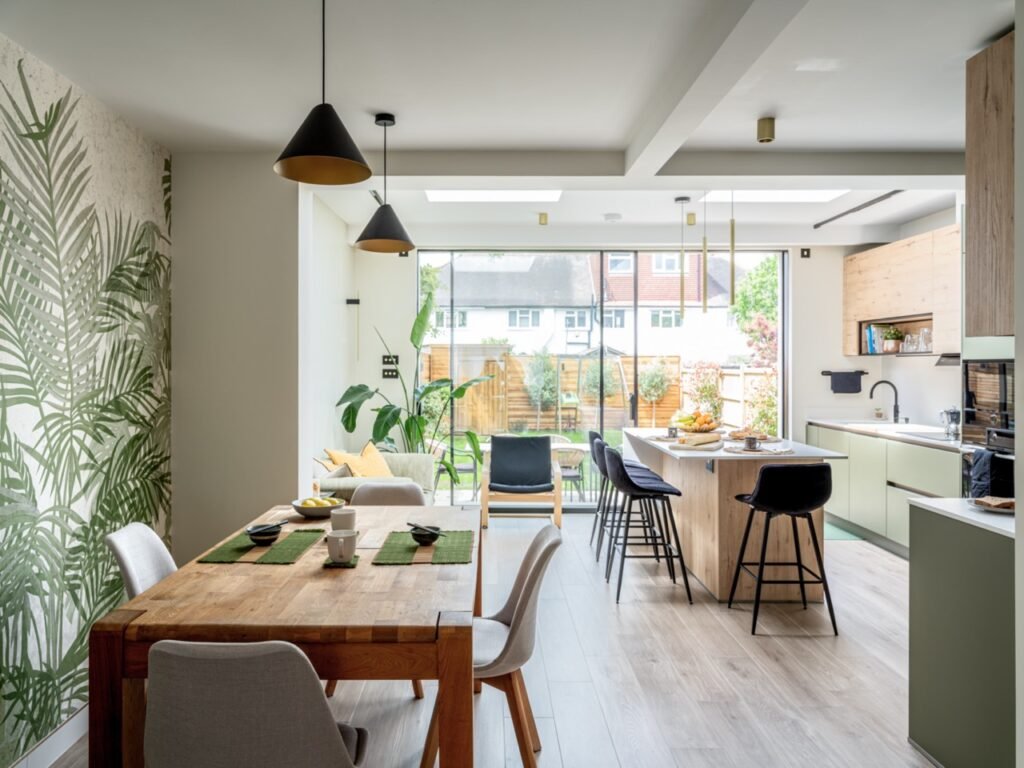
The answer is rarely found in fashion alone. It is often found in light, proportion, materials, views and our connection to the natural world. These qualities speak to something fundamental in the human experience.
Our homes may be modern.
But the minds that inhabit them still carry the legacy of a much older landscape.